Blue Foods: The Life Sciences Talent Driving the Next Food Revolution
In 2023, nearly 2.33 billion people faced moderate or severe food insecurity worldwide. It’s a staggering figure, and with climate change, growing populations, and disease pressures mounting, the challenge is only getting harder.
So, how do we feed the future without exhausting our planet?
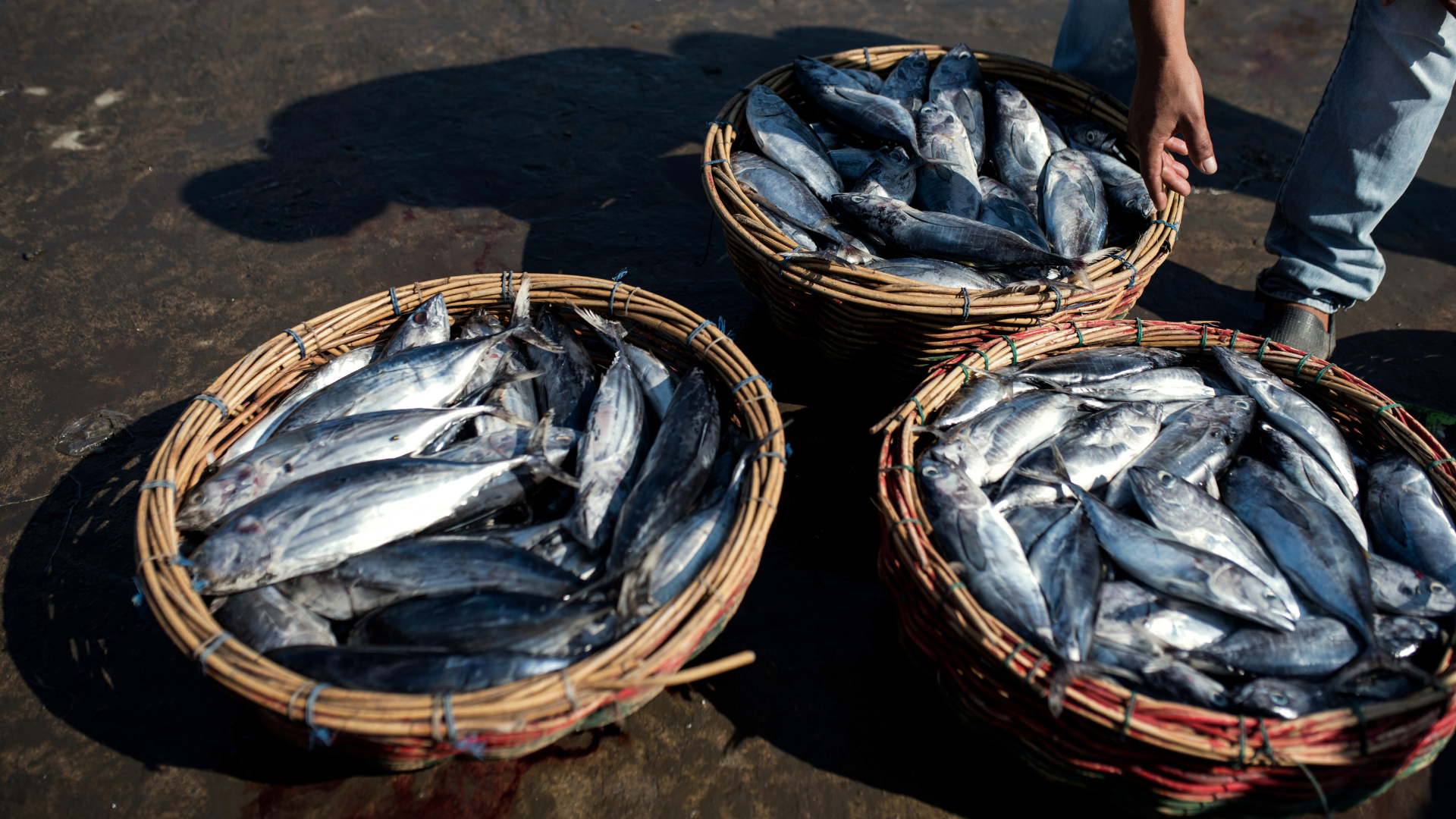
As land-based food production hits its physical and environmental limits, a solution is emerging from the water. Enter "Blue Foods"– nutritious proteins sourced from oceans, rivers, lakes, wetlands, and aquaculture systems.
But blue foods are more than just a dietary alternative; they represent a massive global opportunity for nutrition, economic growth, and sustainable innovation. In fact, by 2050, global demand for blue foods is expected to double, creating what the World Economic Forum calls a $1.5 trillion investment opportunity.
What Are Blue Foods (And Why Should You Care?)
Blue foods include fish, shellfish, seaweed, and aquaculture products cultivated in ponds or tanks. Today, they supply around 15% of global animal protein, providing essential nutrients like omega-3 fatty acids, vitamin B12, calcium, and iron—all at roughly 30% lower cost than other protein sources.
The sector also has a huge socio-economic impact: globally, blue food systems employ 60 million people and support 800 million livelihoods, particularly in small-scale fisheries and aquaculture. In Africa alone, the sector sustains 12.3 million jobs, with women comprising 60% of post-harvest workers, highlighting its role in gender-inclusive employment.
Life Sciences: The Engine Behind the Blue Revolution
Scaling blue foods sustainably requires life sciences expertise across multiple disciplines. Some of the sector’s pressing challenges include:
- Disease & Biosecurity
What happens when an outbreak hits? Viruses like ISKNV in Lake Volta can cause 60–90% mortality, devastating production. Preventing this requires microbiologists and R&D talent to develop diagnostics, oral vaccines, and biosecure seed systems. - Feed & Nutritional Innovation
Feed accounts for 60% of production costs globally, often relying on imported soymeal and fishmeal with poor conversion ratios. Life sciences professionals are driving innovation through insect-based feeds, microbial proteins, and precision feeding systems. - Environmental and Quality Monitoring
Declining oxygen levels, algal blooms, and pollution threaten ecosystems. Experts in environmental monitoring, data analysis, and process engineering are essential for sustainable operations and compliance with international quality and environmental standards. - Waste Reduction and Circular Systems
Did you know up to 50% of fish is discarded during processing? Life sciences research is driving the move toward circular systems, using nutrient recycling and bioconversion to turn waste into protein. - Traceability and Regulatory Compliance
With 36% of tuna and shrimp fishing potentially illegal and weak monitoring globally, life sciences professionals in quality, compliance, and data analytics are critical for traceability and sustainable certifications

Where Biology meets Technology
Blue foods are at the intersection of biology, technology, and environmental science. Current innovation areas include:
- Biological & Product Innovation: improved tilapia breeding, oral vaccines, insect- and microbial-based feeds, methane-fermented proteins
- Technology Innovation: AI-driven fish grading, digital traceability, real-time water quality monitoring, and precision feeding
- System & Infrastructure Innovation: integrated land-water-food systems, shared processing infrastructure, and cluster-based development models like Moana Nui in New Zealand
(World Economic Forum – Investing in Blue Foods)
Each of these innovations requires life sciences specialists with skills in R&D, clinical research, process and validation engineering, automation, and data science.
The War for Talent in Blue Foods
The opportunity is massive, but so is the skills gap.
As production scales, companies are finding themselves in a "war for talent." Whether it’s marine biologists, quality experts, or aquaculture specialists, finding the niche expertise to tackle disease, feed efficiency, and sustainability is becoming a major bottleneck.
Many European STEM employers report difficulty finding candidates with the right skills, which can delay production, reduce efficiency, and increase costs. Companies scaling blue foods are no different.
Why This Matters – and how Amoria Bond can Help
The growth of the blue foods sector is not just about feeding a growing population. It is about driving sustainable, resilient, and ethical food systems. With the right life sciences talent, companies can:
- Reduce environmental footprints
- Improve disease management and animal welfare
- Innovate in feed and bioprocessing
- Strengthen regulatory compliance and traceability
- Scale production efficiently to meet global protein demand
Blue foods represent a $1.5 trillion opportunity by 2050, and the companies that secure the right talent today will be the leaders of tomorrow.
For clients looking to innovate or candidates seeking to work at the forefront of sustainable nutrition, Amoria Bond connects talent with opportunity, ensuring the life sciences revolution in blue foods reaches its full potential. We have over 15 years of experience connecting STEM talent with specialized sectors, including life sciences subfields such as:
- Quality, Compliance & Regulations
- Process, Project & Validation Engineering
- Automation Engineering
- Drug Development, Clinical Research & R&D
- Data Science, Biostatistics & Analytics
- Supply Chain & Logistics
We give companies access to a global talent pool of qualified candidates, delivering results faster than internal hiring processes. With a 90% fill rate for niche roles, we ensure that businesses innovating in blue foods find the right specialists to scale safely, efficiently, and sustainably. Contact us to learn more.
Sources:
- World Economic Forum – Investing in Blue Foods: Innovation and Partnerships for Impact
- World Economic Forum – Food Innovation Hubs: Nourish the world without harming the planet
- Marine Stewardship Council – Blue Food Overview
- Stockholm Resilience Centre – Blue Foods and Sustainable Food Systems
- United Nations – Sustainable Development Goals – Goal 2: Zero Hunger